Employee portrait with folded arms in front of an office moss wall
← Back to Overview

#CorporatePhotography

Corporate Photography and Employee Portraits

Image shots, employee portraits and company reportage, nationwide across Germany. Images that show a company rather than assert it, with consents that still hold after someone leaves.

Portraits

Corporate Headshots

Headshot of an employee with glasses in a corduroy shirt in front of a moss wall
Headshot of a smiling employee in a light blue shirt in front of a moss wall
Headshot of an employee in a black shirt in front of a moss wall
Headshot of an employee in a white shirt against a neutral light studio background
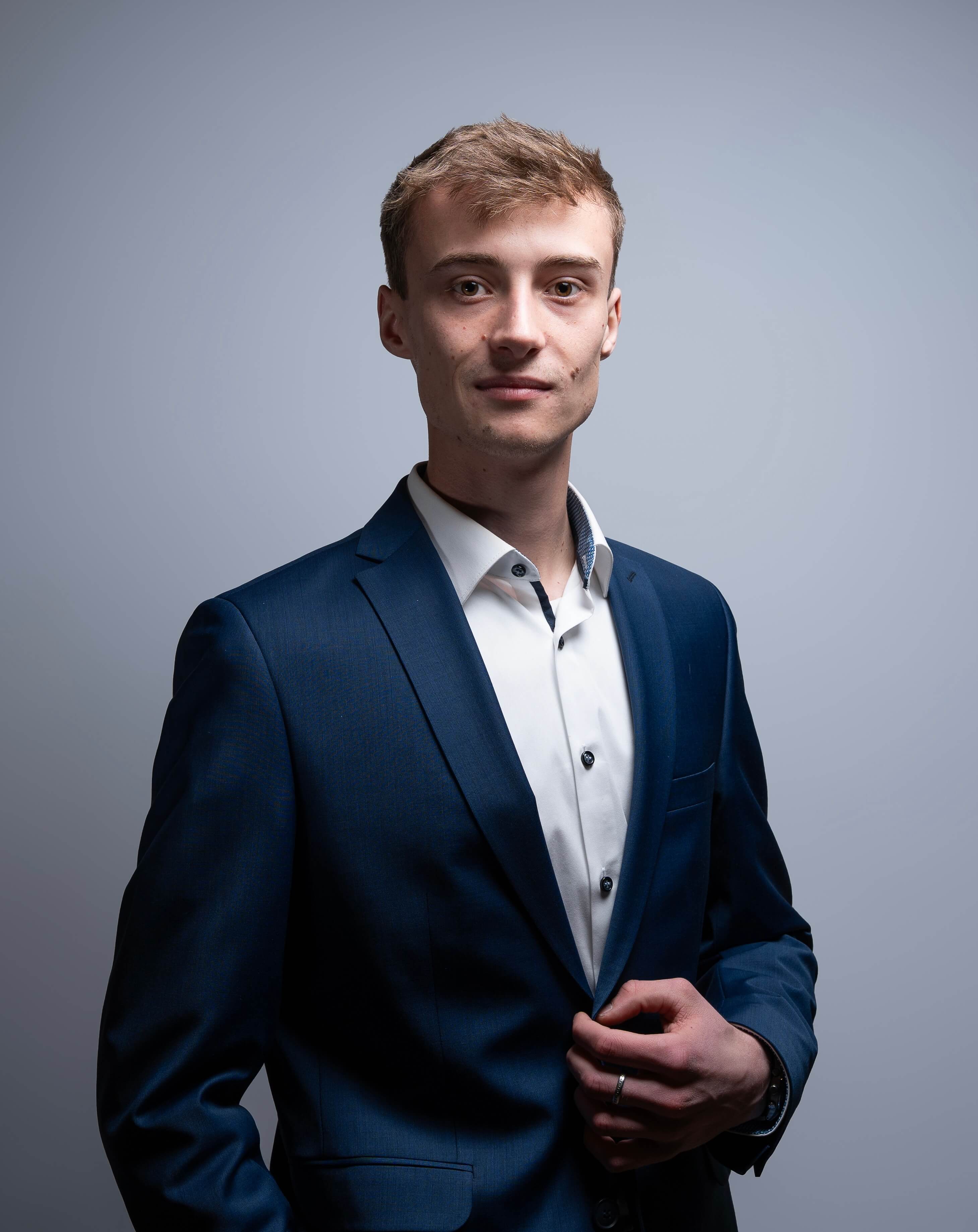
Business portrait in a dark blue suit against a grey studio background
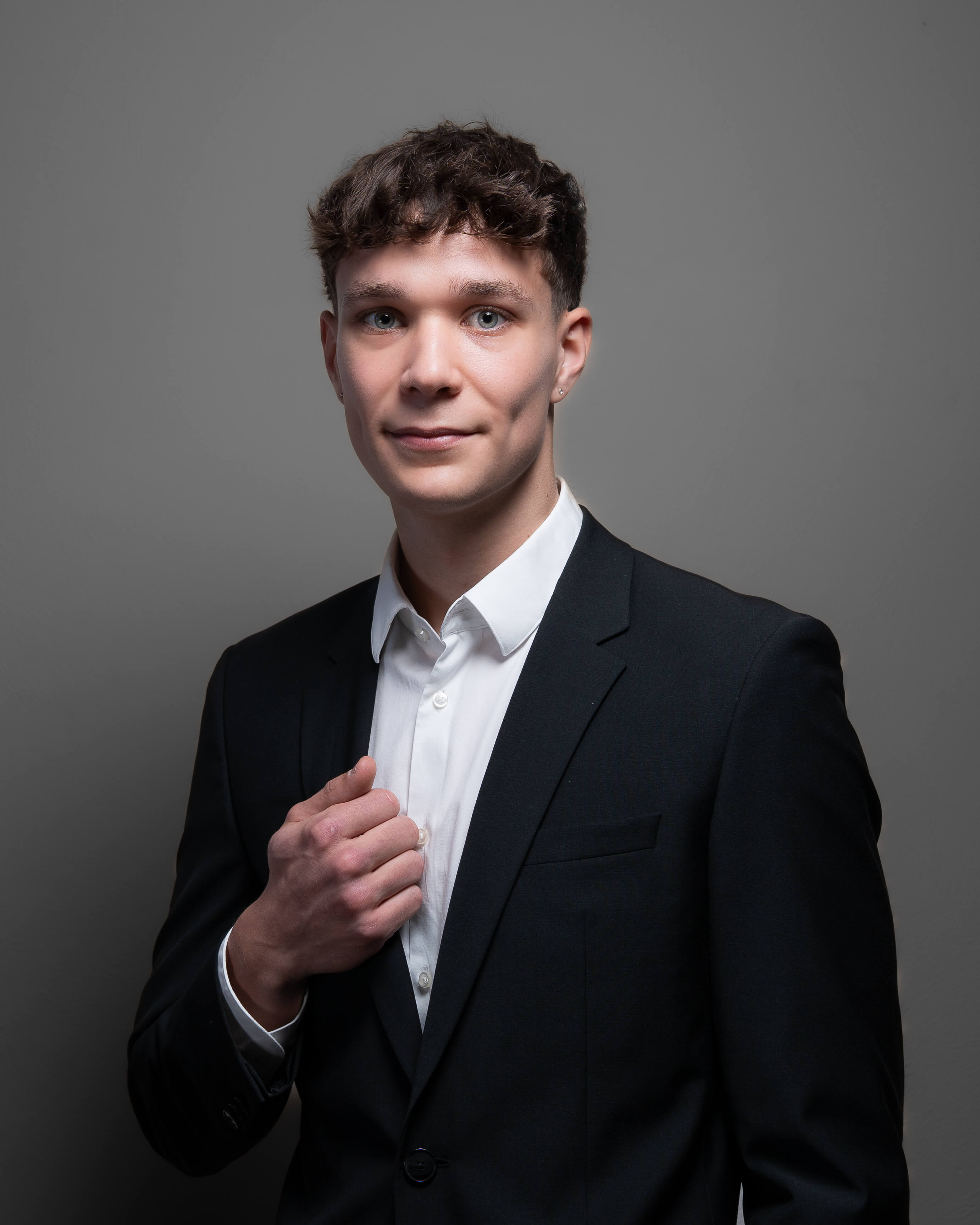
Business portrait in a black suit against a grey studio background

Business

Corporate Photos

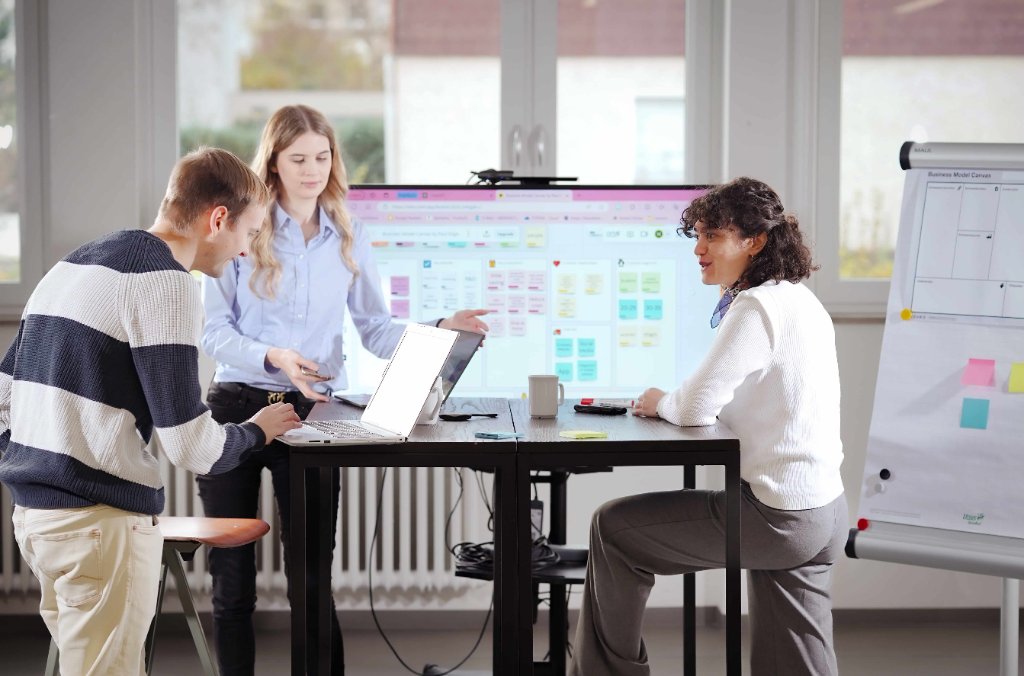
Three colleagues discussing a digital board in a workshop room
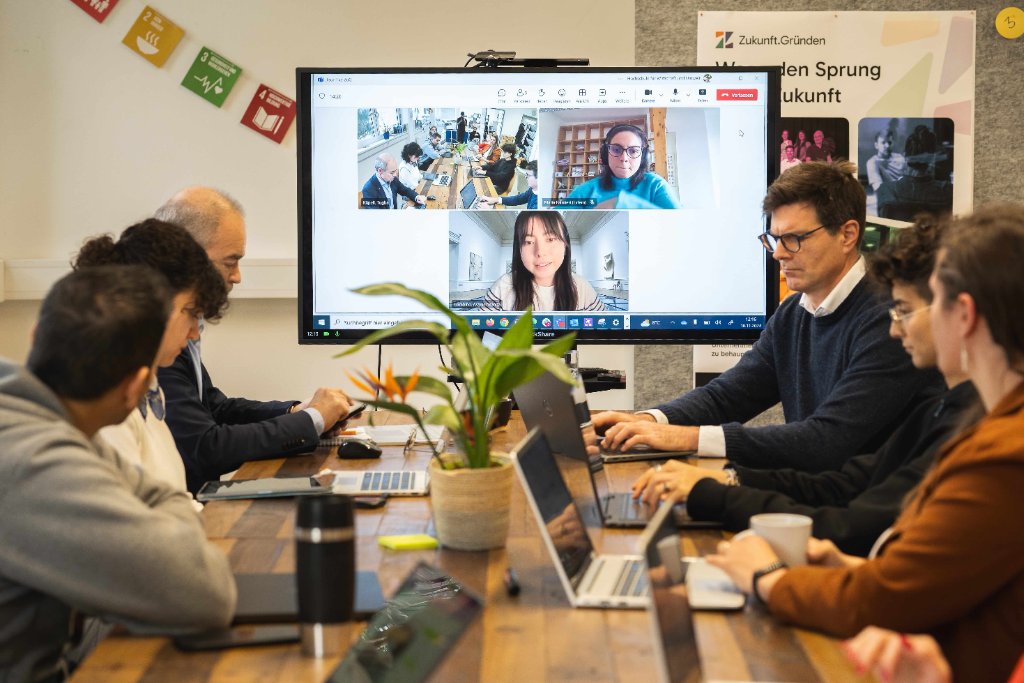
Team in a meeting room during a video call with remote participants
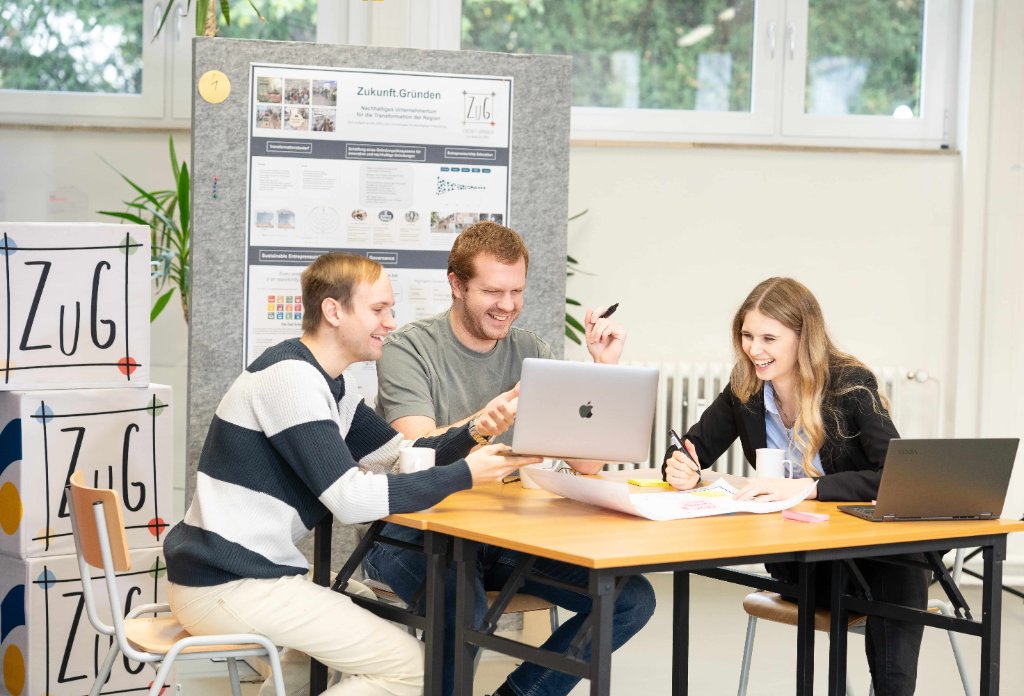
Three colleagues laughing while working together on a laptop

Corporate photography has two audiences: clients who want to know who they are dealing with, and candidates who want to know where they would end up. No text answers either question as fast as an image does, provided it really shows the company, and provided the employee photos in it were produced in a legally sound way.

Four formats that get confused all the time

Briefs say “business photos” and mean four different things. The distinction determines effort, location, and ultimately what the images are good for.

Headshot

Head and shoulders, looking into the lens, neutral or out-of-focus background. The workhorse for LinkedIn, Xing and the team page, reduced to face and expression, because it is usually displayed small.

Employee portrait

More environment and more body language than the headshot. The defining feature stays the same: the direct look into the camera. A portrait introduces a person.

Image shot

Shows not the person but the company as a whole: rooms, exterior and interior views, staged scenes from everyday business. Essentially the business portrait of the company.

Company reportage

People interacting with each other or with the tools of their work, in the real workflow. Documentary, with no look into the camera. The material that carries a careers page, because it does not assert, it shows.

Why real images and not stock

The benefit is real, but narrower than photographers’ blogs claim. Purely decorative images are ignored on a website: the handshake over the desk, the group laughing in a direction where nothing is happening. The images that get read are the ones showing real people from the company, precisely because there is something in them that exists only at this company. That is experience, not measurement.

The effect cannot be put in a number. No study exists that isolates corporate photography and measures its effect on deals closed or applications received. What remains is a simple calculation: an image that shows nothing of your own costs space and returns nothing.

Employer branding: the gap images close

The mechanism can be traced without inflating it into proof of causation. Anyone applying for a job is deciding about the next years of their working life, and beforehand they do not know what the company is really like: what the rooms look like, how people talk to each other, who their colleagues would be. The job ad does not answer that, and the careers page usually just asserts it.

That is exactly the gap reportage images and employee portraits close. They show the work, the rooms and the faces instead of describing them, and they do it where the company holds its own presentation in its hands: on its own website and careers page. Whether that turns into more applications depends on dozens of further factors. The gap itself is real, and stock material does not close it: a bought open-plan office shows every company and therefore none.

Employee photos: the legal position in Germany

The topic lives on law-firm blogs and is left out on photographers’ service pages, even though the risk lands with the employer, not the photographer. The points below are industry and case-law knowledge, not legal advice; a specific case belongs in front of a lawyer.

In writing and voluntary

On 11 December 2014 the Bundesarbeitsgericht (BAG), Germany’s Federal Labour Court, ruled (case no. 8 AZR 1010/13) that consent to publication must be given in writing. There is no ancillary duty under the employment contract to agree. Consent must be voluntary. Not a formality, but the basis on which the images may be used at all.

After someone leaves

This is where it gets expensive. On 27 July 2023 the Landesarbeitsgericht Baden-Württemberg, a regional labour court of appeal, ordered an employer to pay 10,000 euros in damages (case no. 3 Sa 33/22) for continuing to use footage of a former employee for around nine months despite repeated deletion requests. The lower court had considered 3,000 euros sufficient, the appeal court did not. A deletion process belongs in the plan from the start.

KUG or GDPR: still unresolved

Whether Section 22 of the Kunsturhebergesetz (KUG), Germany’s law on the right to one’s own image, continues to apply alongside the GDPR has not been conclusively settled. The difference matters when consent is withdrawn: consent under the GDPR can be revoked at any time and without giving reasons (Article 7(3)), whereas consent under the KUG can be revoked only for good cause. Practitioners recommend applying the stricter GDPR standard as a precaution.

What the consent has to state

Two levels that regularly get conflated. Section 26(2) sentence 4 of the Bundesdatenschutzgesetz (BDSG), Germany’s federal data protection act, obliges the employer to inform the employee in text form about the purpose of the data processing and about their right to withdraw under Article 7(3) GDPR. That the nature, place and context of publication also have to be named specifically is not in that provision; it follows from the requirement that consent be specific (Article 4(11) and Article 7 GDPR). You can only consent to what has been named. The consent is obtained separately from the employment contract. Blanket consents are not permissible.

Source: BAG, Urteil vom 11.12.2014, 8 AZR 1010/13 · LAG Baden-Württemberg, Urteil vom 27.07.2023, 3 Sa 33/22 · § 26 BDSG (Gesetze im Internet)

Consistency, location and preparation

A photo series for a company is not a shoot; it is a standard that has to hold for years. So the team is briefed at least two weeks ahead: fine checks, narrow stripes and houndstooth shimmer in the image. Moiré is the most common clothing mistake, and fit beats brand.

One lighting setup, one background, one crop

And one level of retouching. Otherwise the team page falls apart as soon as the first latecomers are photographed. And there are always latecomers. The setup is documented and every follow-up shoot is run against the same reference. Delivery comes in channel-appropriate crops: square for LinkedIn, 3:4 for the website, plus print.

On location or in a studio

On location delivers genuine context and image and reportage material along the way, but it costs light, space and operational quiet. A mobile studio inside the company combines consistency with short walking distances. For series, it is the standard solution. Realistically, allow 20 to 30 minutes per person including warm-up and a break; setup takes roughly half an hour to an hour before the first appointment.

Frequently asked questions about corporate photography

What is the difference between a headshot, an employee portrait, an image shot and a company reportage?

The headshot shows head and shoulders looking into the lens against a neutral or out-of-focus background and is meant for LinkedIn, Xing and the team page. The employee portrait brings in more environment and body language but keeps the direct look into the camera as its defining feature. The image shot does not show the person but the company as a whole: rooms, exterior and interior views, staged scenes from everyday business, effectively the business portrait of the company. The company reportage documents people interacting with each other and with the tools of their work in the real workflow, with no look into the camera.

Does the shoot take place at our offices or in a studio, and how long does it take?

Both are possible, and the trade-off is a real one. On location delivers genuine context and image and reportage material along the way, but it costs light, space and operational quiet. A mobile studio set up inside the company combines the consistency of a studio series with short walking distances for staff. For series, that is the standard solution. Realistically, allow 20 to 30 minutes per person including warm-up and a break; setup takes roughly half an hour to an hour before the first appointment.

What should our employees wear?

Simple and well-fitting. Fine checks, narrow stripes and houndstooth shimmer in the image. This moiré effect is the most common clothing mistake and can only be softened afterwards with effort. Fit beats brand: a well-fitting plain garment reads better in the image than an expensive one that does not sit right. It matters to brief the team at least two weeks ahead so the guidance actually lands.

Do our employees need to give written consent?

Yes. On 11 December 2014 the Bundesarbeitsgericht (BAG), Germany’s Federal Labour Court, ruled (case no. 8 AZR 1010/13) that consent to publishing employee photos must be given in writing. Just as important: there is no ancillary duty under the employment contract to agree. Consent must be voluntary and no one can be obliged. It is obtained separately from the employment contract. Section 26(2) sentence 4 BDSG requires the employer to inform the employee in text form about the purpose of the data processing and about their right to withdraw under Article 7(3) GDPR; that the nature, place and context of publication are also named specifically follows from the requirement that consent be specific (Article 4(11) and Article 7 GDPR). Blanket consents are not permissible. This is case-law knowledge, not legal advice.Source: BAG, Urteil vom 11.12.2014, 8 AZR 1010/13

What happens to the images when someone leaves the company?

This is where it gets expensive. On 27 July 2023 the Landesarbeitsgericht Baden-Württemberg, a regional labour court of appeal, ordered an employer to pay 10,000 euros in damages (case no. 3 Sa 33/22) for continuing to use footage of a former employee for around nine months despite repeated deletion requests. The lower court had considered 3,000 euros sufficient, the appeal court did not. So a deletion process belongs in the plan from the start: where which images sit, who removes them within what deadline, and who verifies it. Not legal advice: when in doubt, have it reviewed by a lawyer.Source: LAG Baden-Württemberg, Urteil vom 27.07.2023, 3 Sa 33/22

Can an employee withdraw their consent?

That depends on which standard applies, and precisely that has still not been conclusively settled. Whether Section 22 of the Kunsturhebergesetz (KUG), Germany’s law on the right to one’s own image, continues to apply alongside the GDPR is legally open. The difference matters in practice: consent under the GDPR can be withdrawn at any time and without giving reasons (Article 7(3)), whereas consent under the KUG can be withdrawn only for good cause. Practitioners recommend applying the stricter GDPR standard as a precaution and planning for withdrawal organisationally, rather than betting on the more convenient reading.

What usage rights do we receive?

That belongs in writing before the shoot: by channel, duration, territory and exclusivity. Copyright remains with the photographer; the company receives usage rights in the agreed scope, and a buy-out is the far-reaching version of that. For a company, a sensible arrangement covers all of your own channels: website, careers page, LinkedIn and other networks, print and press. What gets negotiated afterwards costs more than what is settled beforehand.

How do the images stay consistent when someone joins later?

By making the standard one standard from the outset: one lighting setup, one background, one crop, one level of retouching. Without that, the team page falls apart as soon as the first latecomers are photographed, and there are always latecomers. So the setup is documented and every follow-up shoot is run against the same reference instead of improvised anew. Delivery comes in channel-appropriate crops: square for LinkedIn, 3:4 for the website, plus the resolution print needs.

Some of our people do not like being photographed. How do you handle that?

With time and with alternatives. The 20 to 30 minutes per person exist for exactly this reason: warm-up and a break are part of it, because the first minutes are rarely the good ones. Anyone who dislikes the direct look into the camera is better served by reportage. Those images come out of the real workflow, with no need to look into the lens. And legally as well as practically the same rule applies: there is no duty to agree, consent must be voluntary. Whoever does not want to be photographed is not photographed.Source: BAG, Urteil vom 11.12.2014, 8 AZR 1010/13

What does corporate photography cost?

It depends on scope. The cost drivers are: the number of people to be photographed, which of the four formats are needed, the number of locations and shooting days, whether the work is done on location or with a mobile studio, the number of image and reportage shots, the depth of retouching, and the agreed scope of usage rights by channel, duration and territory. We clarify these points in an initial conversation and you receive a quote that reflects your case.