
#PracticePhotography
Practice Photography for Medical and Dental Practices
Images that build trust and hold up before medical boards and cease-and-desist letters. Nationwide across Germany, for practices and clinics.
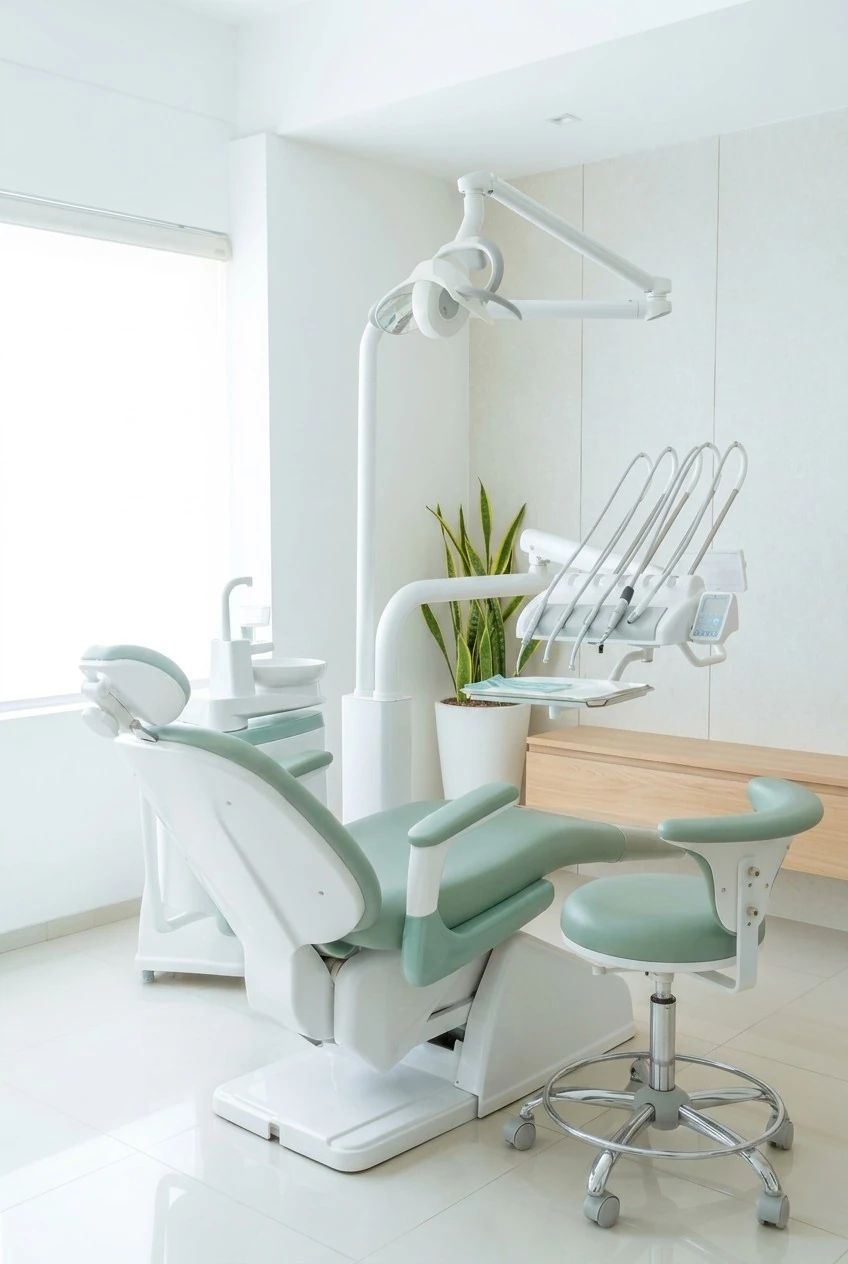
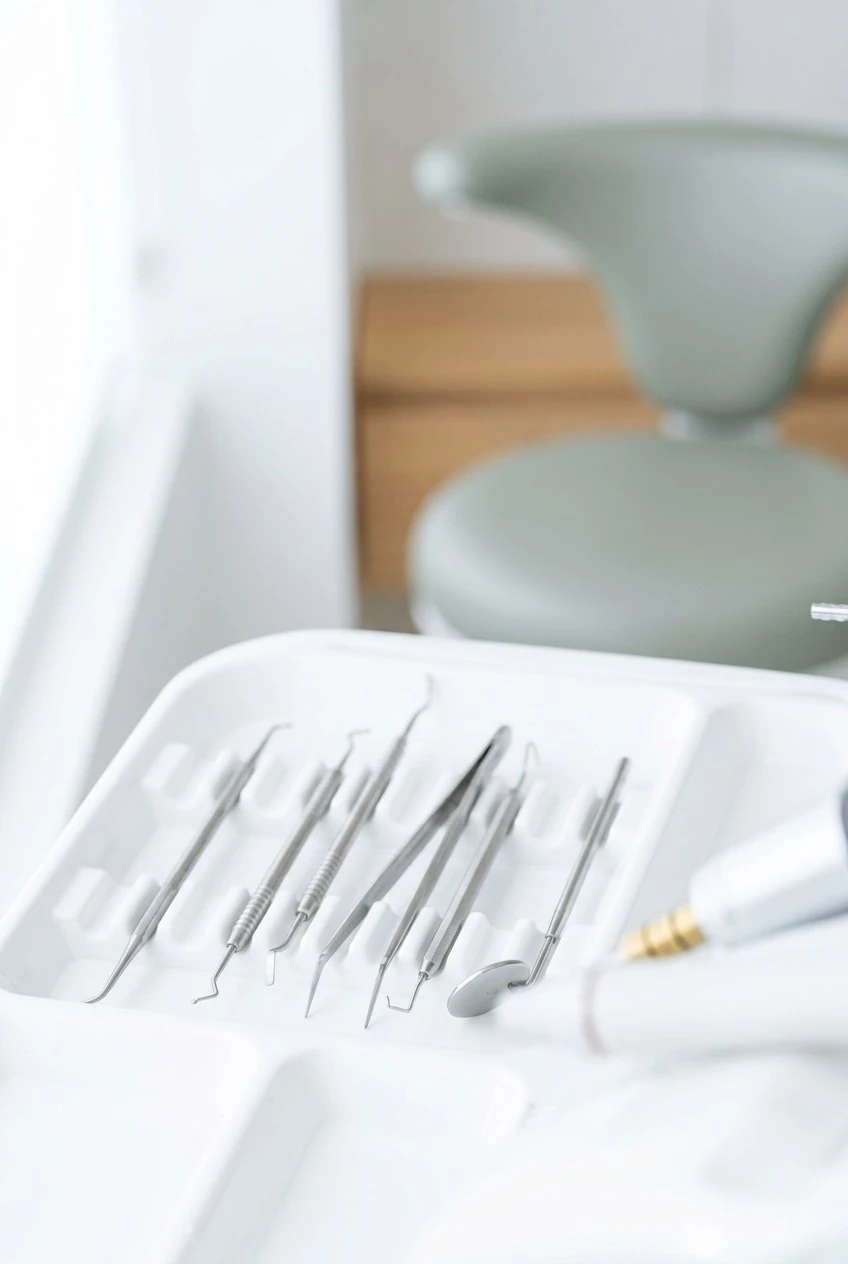
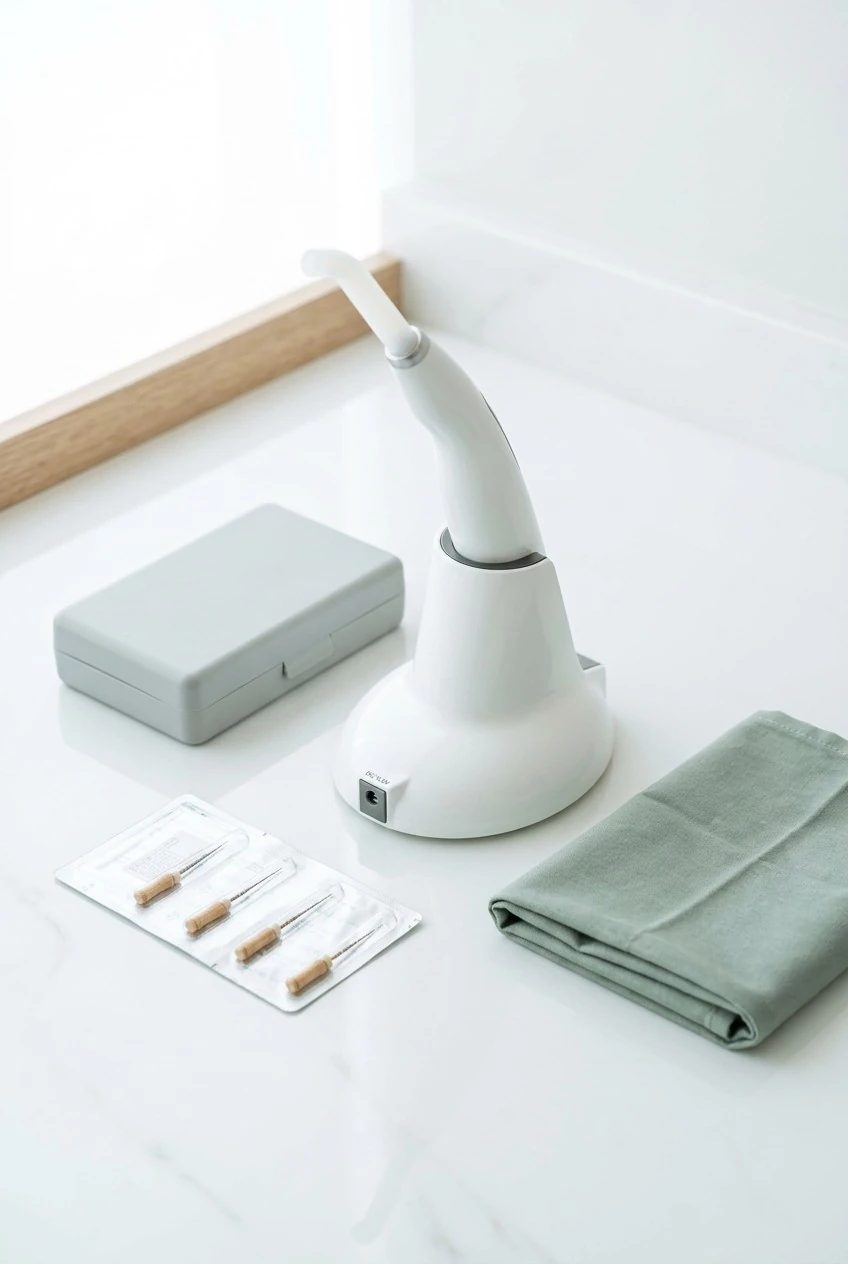
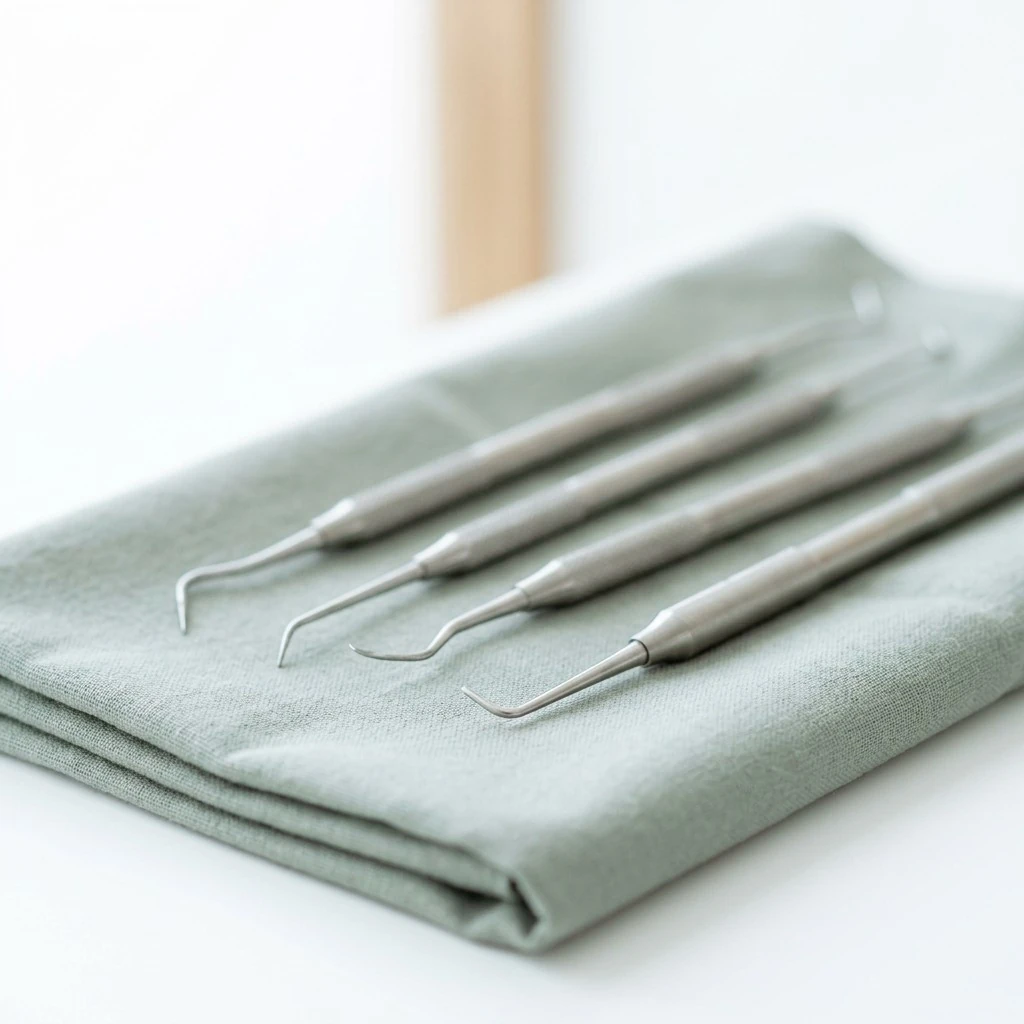
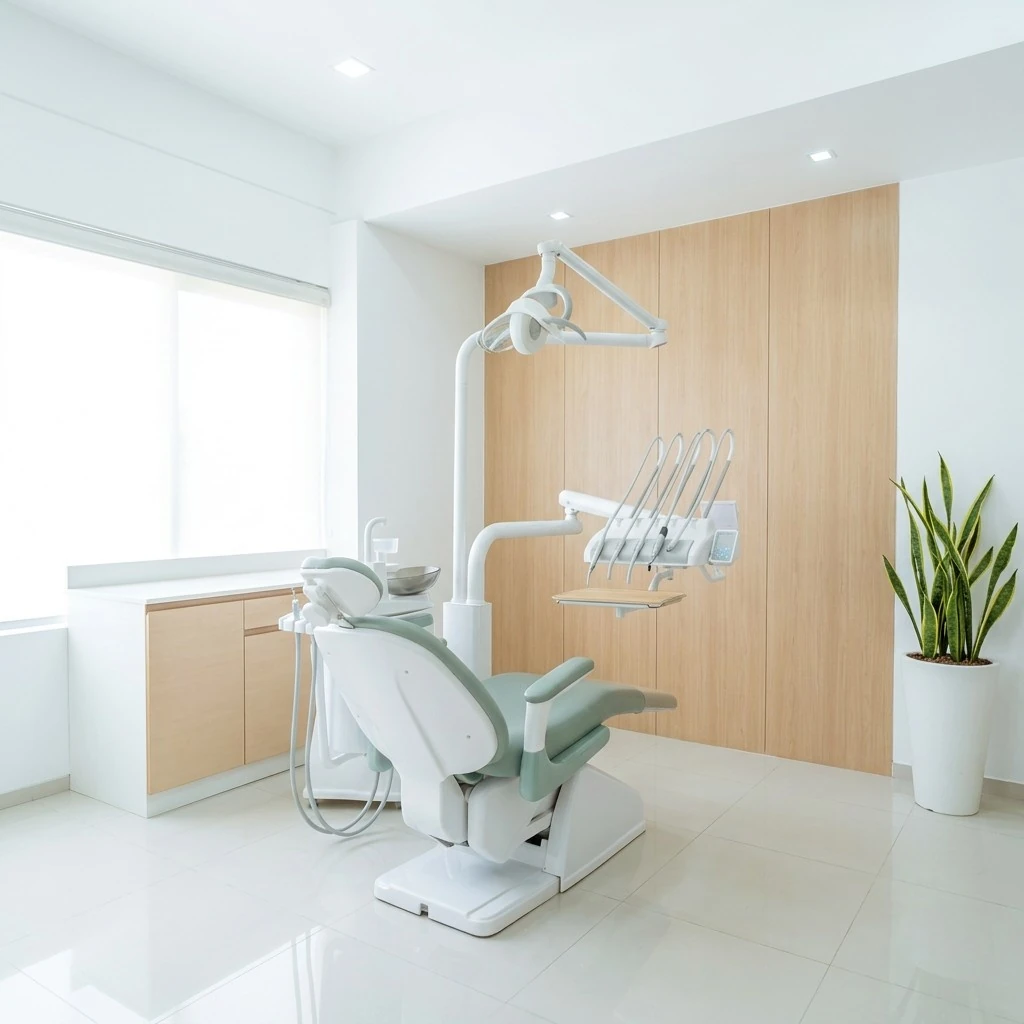
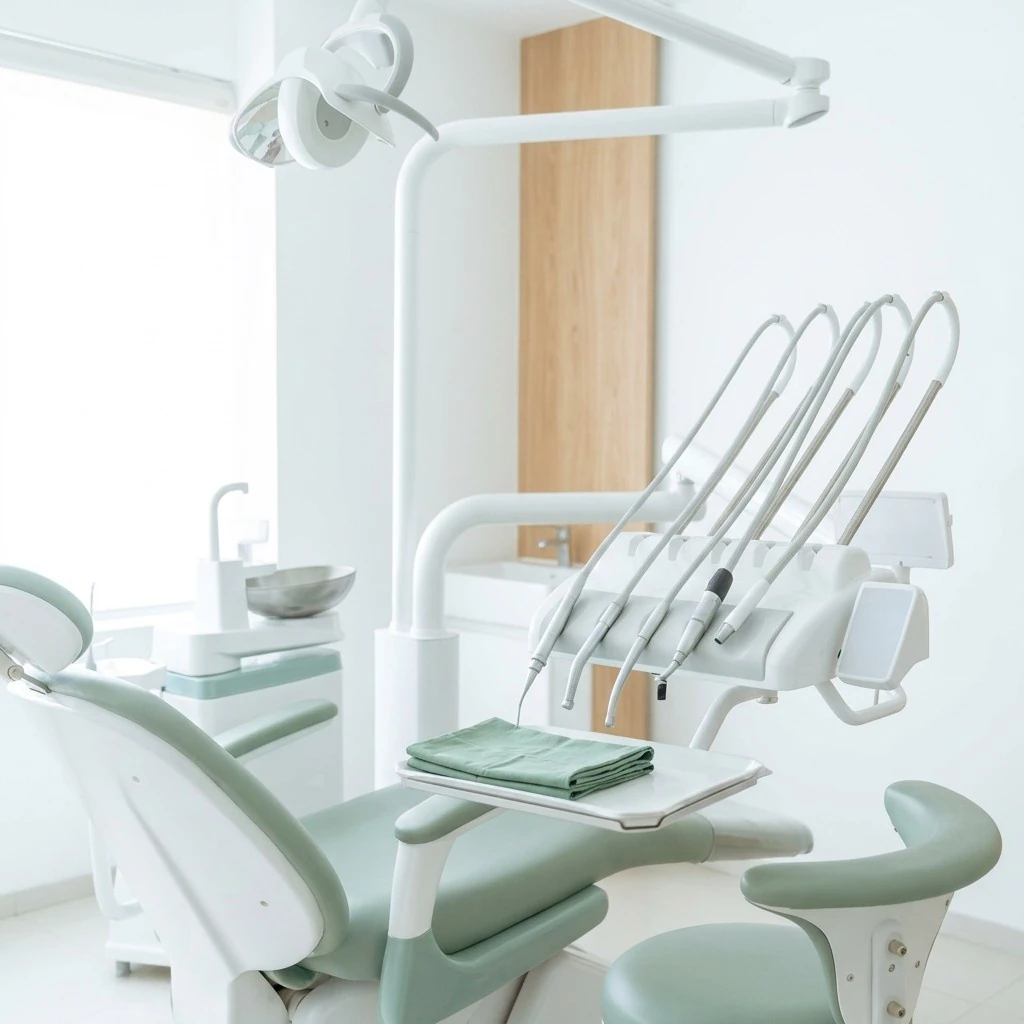
Patients decide on a practice before they ever walk in. Medical advertising in Germany is tightly regulated, which is precisely why images carry a disproportionate share of the communication: they show what you are not allowed to claim.
Why practice photos shape the patient decision
A representative survey by the Bertelsmann Stiftung shows how early that decision happens: 60 percent of people who use doctor rating portals have at some point chosen a particular physician based on what they found there, and 43 percent have ruled one out. Among portal users under 40, the online rating was even the decisive factor in 70 percent of cases.
What those images show has a measurable effect. A cross-sectional study in BMJ Open surveyed 4,062 patients across ten US university hospitals: 53 percent said their doctor’s attire mattered to them, and more than a third said it influenced their satisfaction. Formal clothing with a white coat scored highest overall. The finding is context-dependent, though: scrubs were preferred for surgeons and in the emergency room, and for approachability the lead was not statistically significant.
Source: Bertelsmann Stiftung / Weisse Liste, 2016 · Petrilli et al., BMJ Open 2018
What we photograph in your practice
The shot list follows what patients want to know before their first appointment: who will treat me, what does it look like there, and is the equipment up to date?
Team and portraits
Consistent portraits for your website, waiting room and directory profiles: one lighting setup, one crop, one level of retouching. So the team page does not fall apart the moment someone joins later.
Rooms and architecture
Reception, waiting area, treatment rooms. Empty rooms feel unsettling, so we plan situations with people in them rather than documenting furniture.
Treatment situations and equipment
Procedures and devices as evidence of professional care: with your team, with models, or with patients who have given their consent.
A visual language that earns trust
Healthcare communication is not about gloss, it is about credibility. The images are precisely lit but never artificial: what is white stays white. Colour accuracy here is not an aesthetic detail but a statement about hygiene and diligence. A yellowish cast undermines exactly the message the room is meant to carry.
The most common mistake is cheap upfront and expensive later: stock photography. It shows neither your rooms nor your team. It may well appear on the website of the practice two streets over a few weeks later. The only reason practice images build trust at all is that they are real.
Photography that holds up legally: GDPR, KUG and the HWG
A practice shoot is not a corporate shoot with lab coats. It touches three areas of German law at once, and that co-determines which shots may exist in the first place.
Patients: health data, not merely people in a picture
Under data protection law, a patient in the waiting room is not a person in a photo but health data under Article 9 GDPR. Shots involving patients are possible, but only with explicit, informed and demonstrable consent. A verbal agreement is worthless in a dispute.
So before the shoot we define which shots are meant to show patients at all, obtain consent in writing and document it, and it remains revocable at any time with effect for the future. Where that is not practical, models or team members take over the situation. The image does not get worse, only more predictable.
Employees: in writing, voluntary, and beyond their last day
The German Federal Labour Court (BAG) ruled that consent must be given in writing and that no employment contract obliges anyone to grant it. Equally, consent does not automatically lapse when someone leaves. Revoking it requires a plausible reason. Consent should be obtained separately from the employment contract, stating purpose, duration and scope.
What the Heilmittelwerbegesetz permits and what it does not
The white coat may be shown: the ban on depicting professional attire under Section 11(1) no. 4 of the Heilmittelwerbegesetz (HWG), Germany’s law on healthcare advertising, was repealed on 26 October 2012. The myth persists and still costs practices good material.
Conversely, for cosmetic surgical procedures without medical necessity, advertising with comparative before-and-after imagery is prohibited (Section 11(1) sentence 3 no. 1 HWG). A password wall does not help, and fines reach up to 50,000 euros.
What counts as “surgical” is where many go wrong. On 31 July 2025 the Bundesgerichtshof (BGH), Germany’s Federal Court of Justice, ruled that an intervention with a cannula already qualifies: injections of hyaluronic acid to reshape a nose or chin are covered, even though no one would call them surgery (case no. I ZR 170/24, brought by a consumer protection agency). Showing before-and-after results of Botox or fillers because “it is not an operation” is therefore not safe. Where a medical indication is recognisable, this particular ban does not apply; the other advertising restrictions of the HWG and the UWG still do. This is case-law knowledge, not legal advice: have your specific case reviewed by a lawyer.
Source: Art. 9 DSGVO, VO (EU) 2016/679 (EUR-Lex) · BAG, Urteil vom 11.12.2014, 8 AZR 1010/13 · § 11 HWG (Gesetze im Internet) · § 15 HWG (Gesetze im Internet) · BGH, Urteil vom 31.07.2025, I ZR 170/24 (Pressemitteilung)
How it works
Every shoot starts with a written shot plan: who is photographed in which situation, which rooms, in what order. It sounds bureaucratic and it saves the most expensive resource on the day: time in which the practice is not treating patients.
We then shoot deliberately rather than collect, selection runs through a gallery, and delivery comes in the crops and resolutions your website, directory profiles and print materials actually need. The scope of usage rights is agreed in writing beforehand, not negotiated afterwards.