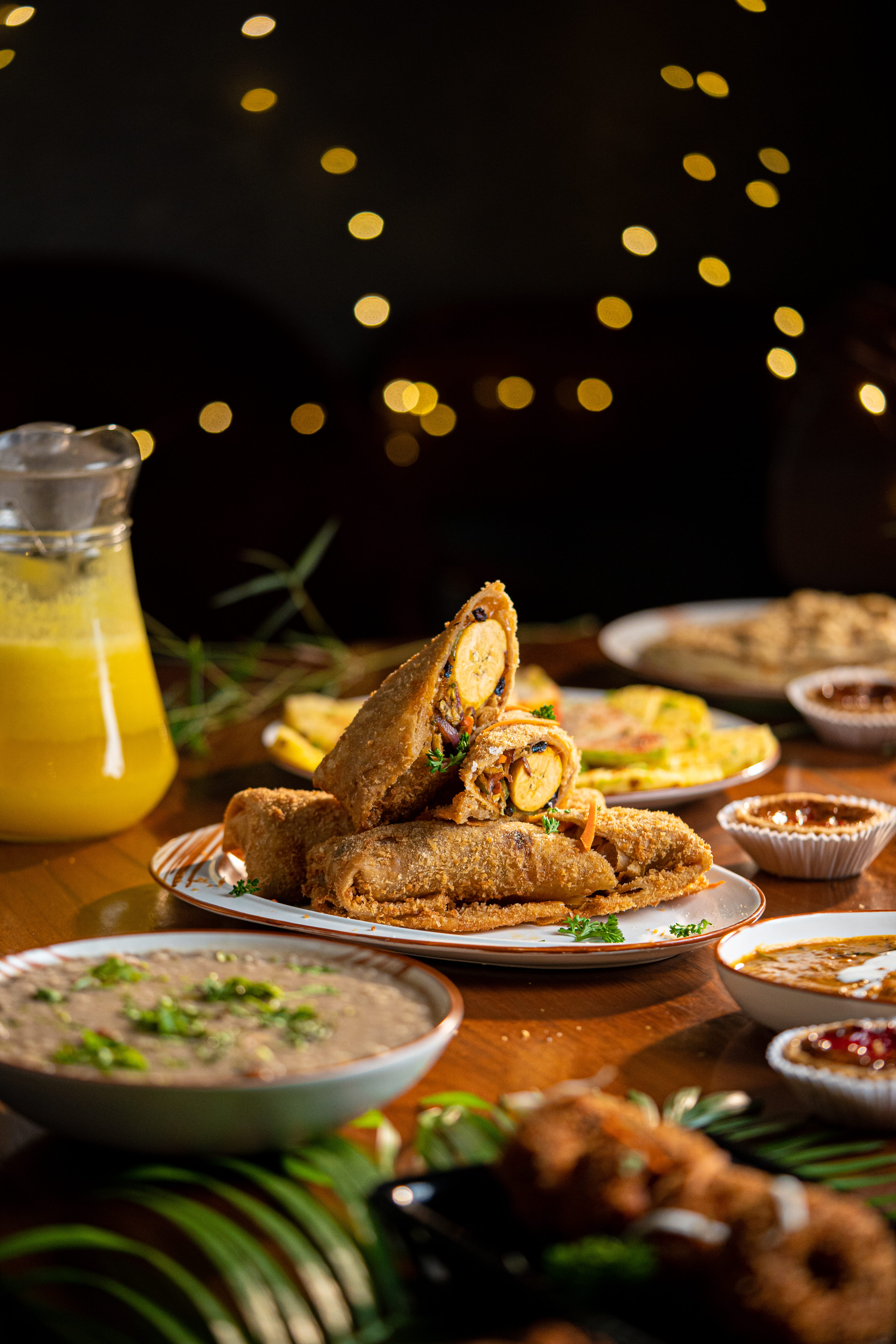
Table spread with fried rolls, soup and a pitcher of juice in warm light
← Back to Overview

#FoodPhotography

Food Photography for Restaurants and Hospitality

Photos of real, servable food for your menu, for Google and for delivery platforms. Nationwide across Germany, for restaurants, cafés and bars.
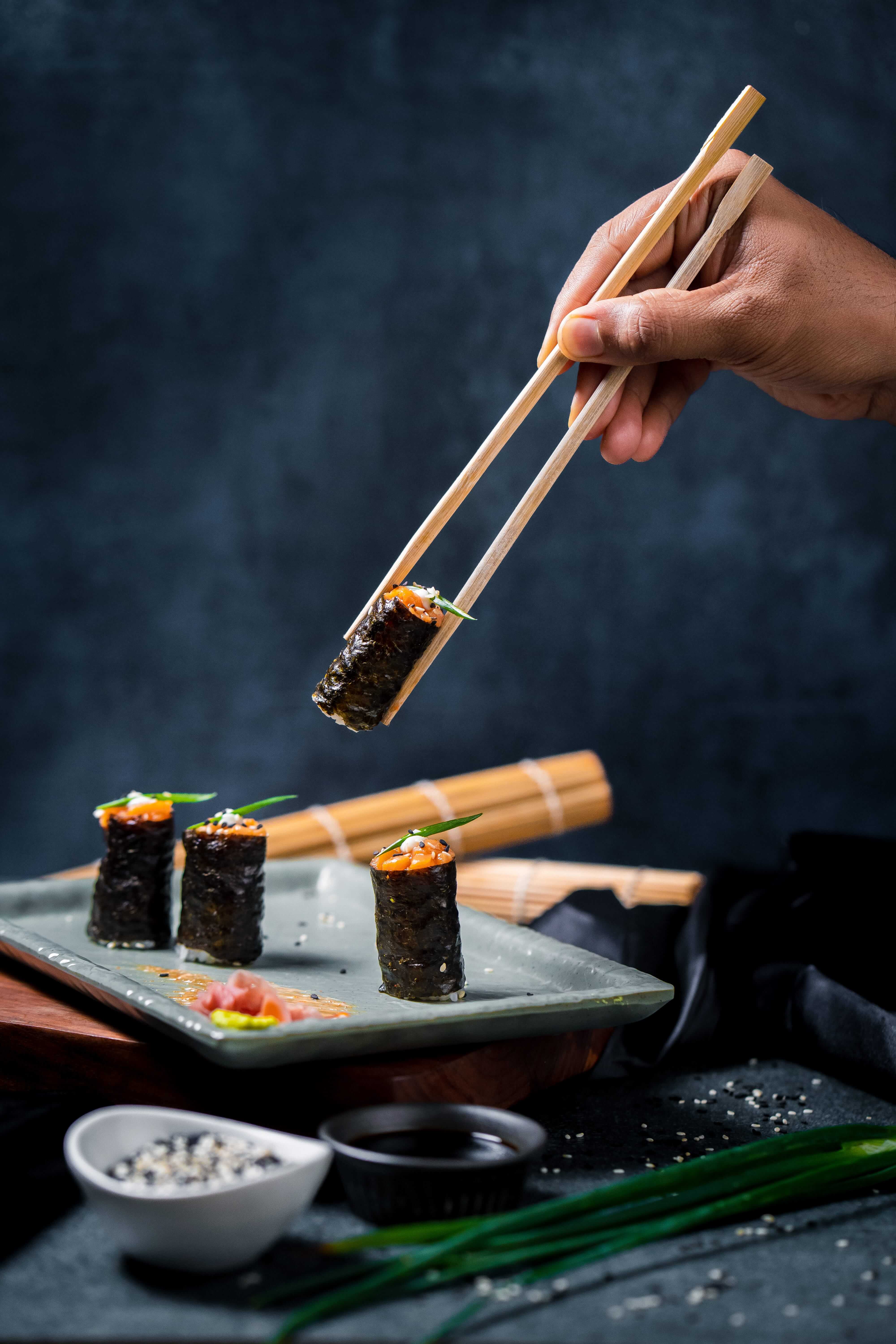
Hand lifting a salmon maki from the plate with chopsticks
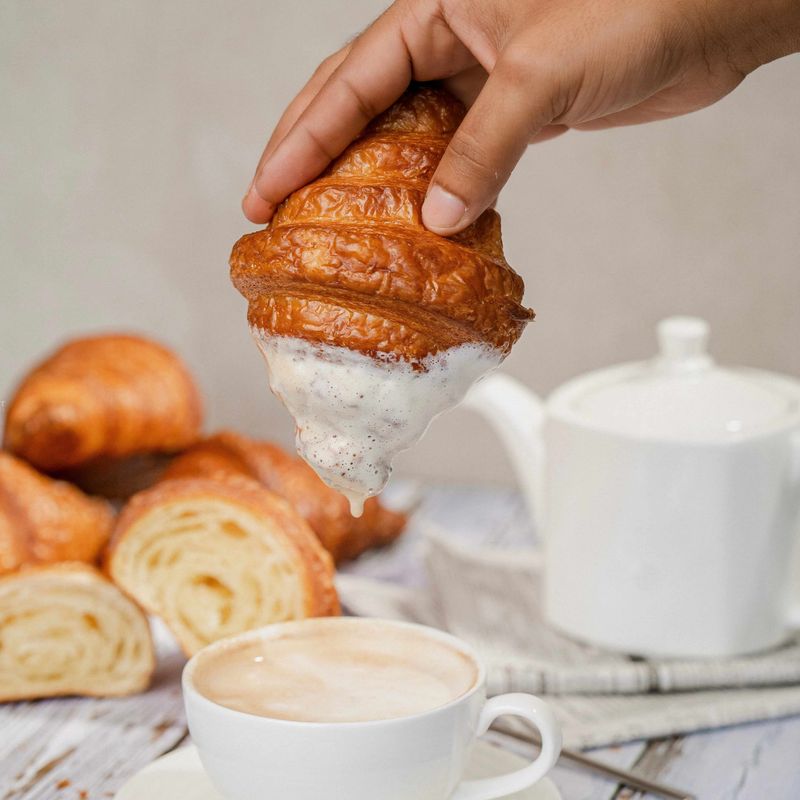
Hand dipping a croissant into milk foam, with coffee and more croissants alongside
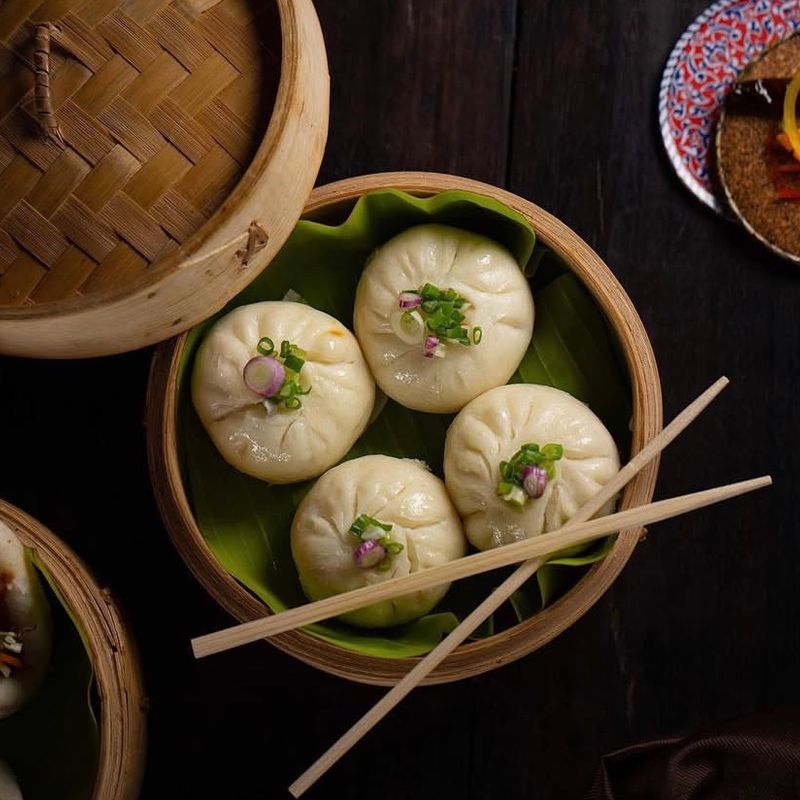
Steamed buns in a bamboo steamer, photographed from above
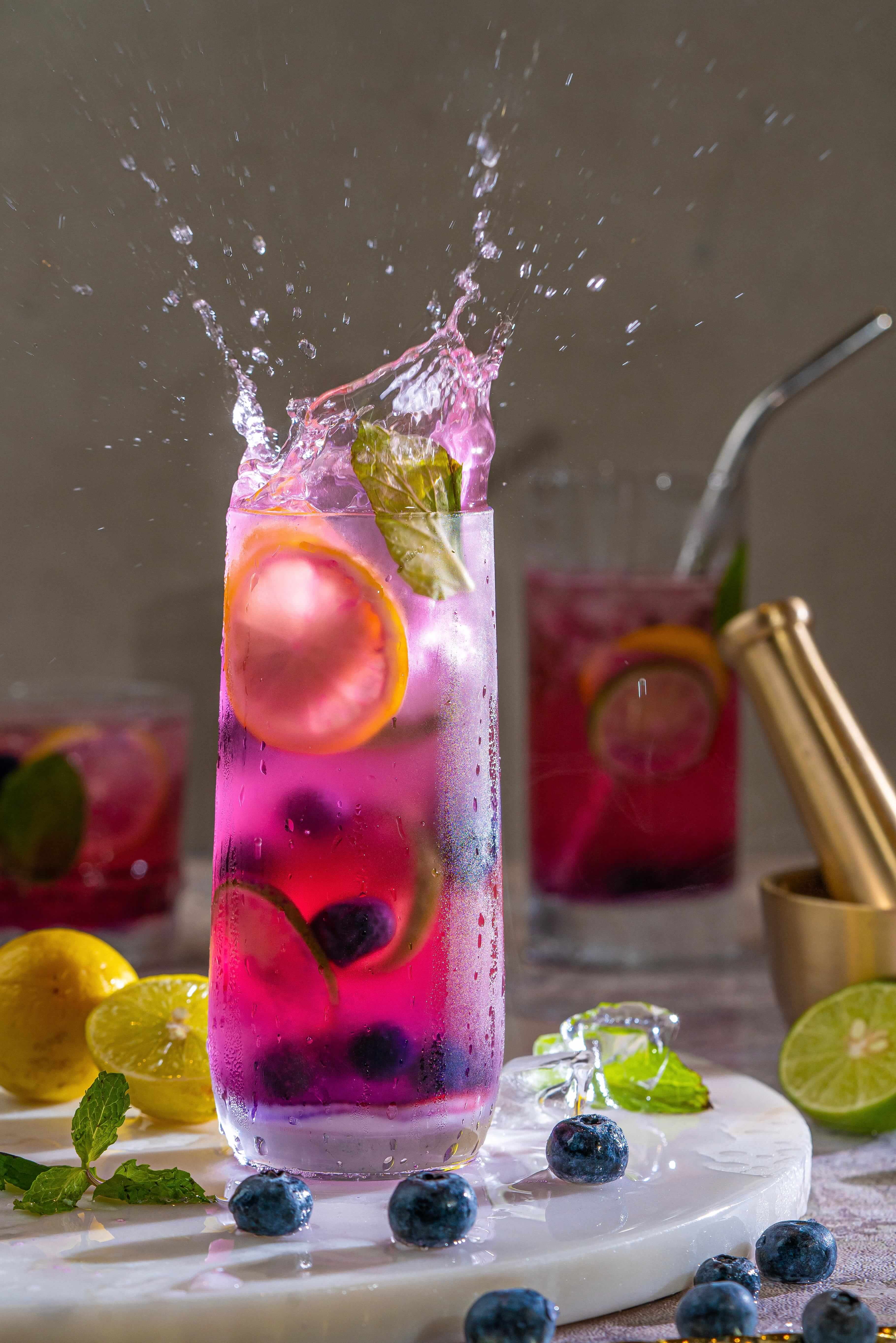
Berry lemonade in a glass, the splash frozen mid-air
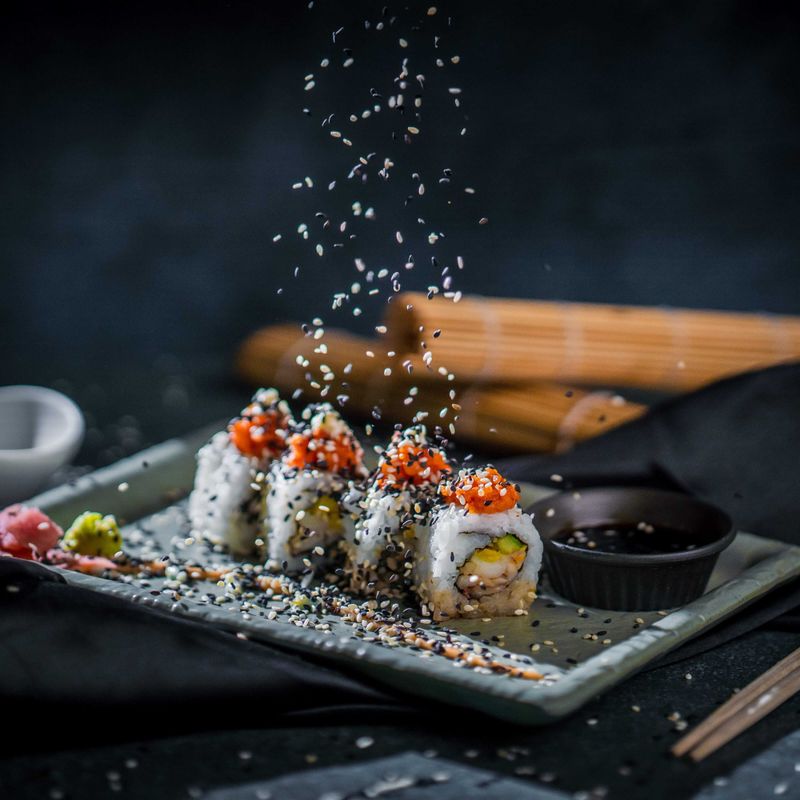
Sushi rolls on the plate as sesame rains down over them
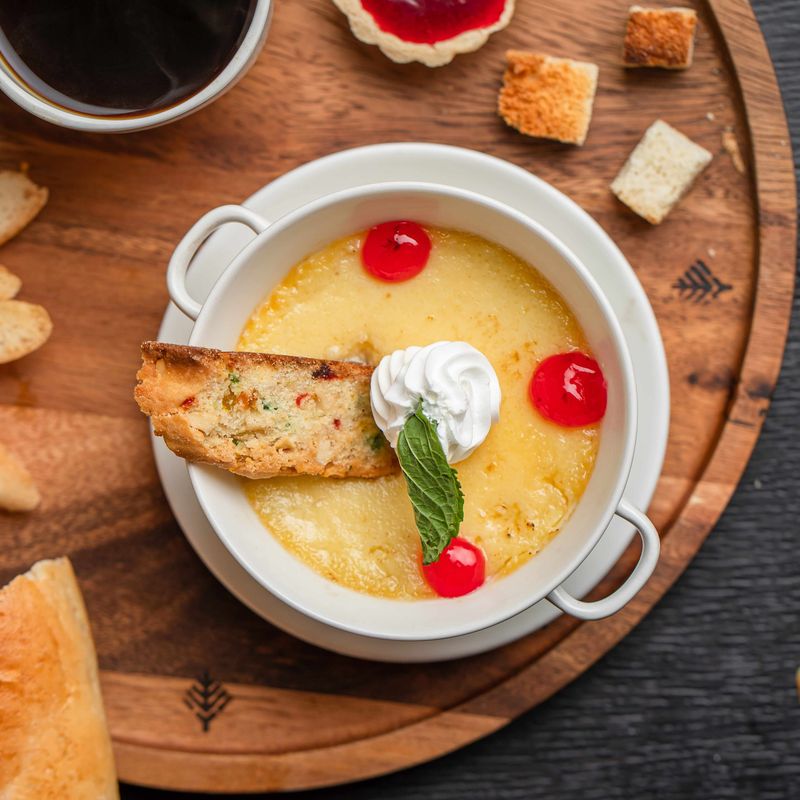
Dessert with a dollop of cream and cherries, shot from above on a wooden board

The menu is where the guest decides. On delivery platforms the photo is often all they see before ordering. Food photography for hospitality does two things: show the dish precisely, and hold up against what is served.

Why phone photos hurt your menu

Phone photos rarely carry a menu, for three technical reasons. The first is hardware: the flash sits next to the lens. Light from the camera’s direction erases the shadows that make structure: crust, gloss, depth. A New York restaurant photographer calls it the most common mistake of all: not badly exposed, just flat.

The second is the room. Restaurants have mixed lighting: artificial light around 2,700 Kelvin against daylight around 5,500 Kelvin. No single white balance corrects both. What is right by the window turns orange under the pendant lamp. Phones bake white balance into the JPEG; RAW allows correction later.

Google’s own guidance is the third: Business Profile photos should be sharp and well lit, with no significant alterations or excessive filters. That rules out the snapshot and its filter rescue alike.

Source: Google: Fotorichtlinien für das Unternehmensprofil

Which angle a dish can take

There is no correct camera height. There are three, and the dish decides which. The question: which of the three shows this dish’s detail best?

Top-down, 90 degrees: for flat dishes

Anything whose detail lies on top: pizza, soups, pasta, salads, table scenes. The overhead view shows the full surface and the arrangement of ingredients, but not height.

Eye level, 0 degrees: for stacked dishes

Sandwiches, burgers, drinks, bottles, cakes: at eye level the layering becomes visible. For soup it is useless. You see the bowl wall, nothing else.

45 degrees: the guest’s point of view

The angle of someone sitting down to eat. It shows surface and height at once: the standard for plated main courses.

Real food, no tricks

Motor oil for syrup, shaving foam for cream, mashed potato for ice cream: the well-known food-stylist tricks come from advertising production. For a menu they are the wrong tool and legally delicate.

The Lebensmittelinformationsverordnung (LMIV, EU Regulation 1169/2011), the EU food information rules, prohibits misleading information about a food’s properties in Article 7; paragraph 4 extends the prohibition explicitly to advertising. Section 5 of the Gesetz gegen den unlauteren Wettbewerb (UWG), Germany’s unfair competition act, treats as misleading any untrue statement about a product’s essential characteristics, including its nature. A photo is such a statement.

For hospitality that means real, servable food: plated for the camera, but edible throughout. Not a handicap but a selling point: what is in the picture lands on the table.

Source: Art. 7 LMIV, VO (EU) 1169/2011 (EUR-Lex) · § 5 UWG

What menu photos do

Hou, Yang and Sun (2017, International Journal of Hospitality Management, volume 60, pages 94 to 103) found photos raise attitude, willingness to pay and purchase intention for dishes with clear, descriptive names. For ambiguously named dishes they help only some guests. Among visually oriented ones they can even do harm.

So photos do not work across the board, which makes “photos or no photos” the wrong question. Image and naming belong together: a photo does not replace a name that leaves open what lands on the plate, and a precise name does not make the photo redundant. For the menu that means deciding both in one go, rather than laying photos over an existing menu afterwards.

Source: Hou, Yang & Sun, Int. J. of Hospitality Management 60 (2017), S. 94 bis 103

How the shoot fits around service

A restaurant is a business with opening hours, not a studio. Three windows exist: before service, when preparation runs without the pressure of the shift; during service, the liveliest images under the greatest stress; with the house closed, maximum control.

The interior is photographed first, while everything is clean and tidy. For the dishes, a fixed contact in the kitchen is mandatory to pace the order. Otherwise plates arrive faster than the camera comes free and go dead before they are shot. In the kitchen: close enough for real action, not in the way.

Usage rights and channels

Use is governed by Section 31 of the Urheberrechtsgesetz (UrhG), Germany’s copyright act. A simple usage right (einfaches Nutzungsrecht) permits use without excluding others; an exclusive right (ausschließliches Nutzungsrecht) excludes everyone else. Both can be limited by territory, duration and purpose. For hospitality, a sensible arrangement covers every own channel: Google Business Profile, delivery platforms, Instagram, website, printed menu. It is agreed beforehand.

Source: § 31 UrhG

Frequently asked questions about food photography

What does a food shoot cost?

It depends on scope: the number of dishes, whether interior, team and kitchen are included, how many setups and angles are needed, the depth of retouching, whether we shoot during service or in a closed house, and the agreed scope of usage rights. We clarify these points in an initial conversation and you receive a quote that reflects your specific case.

Wouldn’t good phone photos be enough?

For a quick story often yes, for the menu rarely. There are three technical reasons. The flash sits next to the lens by design; light from the camera’s direction erases the shadows and flattens the dish. Restaurants have mixed lighting from artificial light (around 2,700 Kelvin) and daylight (around 5,500 Kelvin) that no single white balance corrects at once. The phone bakes that white balance into the JPEG, whereas a RAW file allows the correction later. And Google explicitly asks for Business Profile photos to be sharp and well lit, with no significant alterations or excessive filters: the snapshot fails that test just as its filter-based rescue does.Source: Google: Fotorichtlinien für das Unternehmensprofil

Do you use tricks? Is it still my food?

It is your food. The well-known tricks from advertising production (motor oil instead of syrup, shaving foam instead of cream, mashed potato instead of ice cream) are the wrong tool for a menu and legally delicate: Article 7(4) of the LMIV extends the prohibition on misleading information explicitly to advertising, and Section 5 UWG defines as misleading any untrue statement about the essential characteristics of goods, including their nature. So we photograph real, servable food: plated for the camera, but edible at all times.Source: Art. 7 LMIV, VO (EU) 1169/2011 (EUR-Lex)

Do menu photos really bring more orders?

Not across the board, and that is the more honest answer. The solid evidence here is Hou, Yang and Sun (2017, International Journal of Hospitality Management 60, pages 94 to 103): for dishes with clear, descriptive names, photos raise attitude, willingness to pay and purchase intention. For ambiguously named dishes, by contrast, they help only some guests, and among visually oriented guests they can even do harm. So photos work selectively: image and naming belong together, rather than laying photos over an existing menu afterwards.Source: Hou, Yang & Sun, Int. J. of Hospitality Management 60 (2017), S. 94 bis 103

Which angle suits which dish?

Three angles cover hospitality. Top-down at 90 degrees for flat dishes whose detail lies on top: pizza, soups, pasta, salads, table scenes. Eye level at 0 degrees for stacked dishes where the layering is the point: sandwiches, burgers, drinks, bottles, cakes. It is useless for soup, where you only see the wall of the bowl. And 45 degrees, the view of a guest sitting down to eat: the standard for plated main courses. The guiding question is not a rule but this: which of the three shows this dish’s detail best?

Does the restaurant have to close for the shoot?

Not necessarily. There are three windows: before service, when preparation is running but the pressure of the shift is not; during service, which yields the liveliest and simultaneously most stressful images; and with the house closed, where control is at its maximum. Which one fits is decided by your operation, not by the camera. In every case the interior is photographed first, while everything is clean and tidy.

How many dishes can we do in a day?

That depends less on the camera than on the kitchen. What matters is preparation time per dish, how many dishes share a setup, how often light and angle change, and how quickly a replacement arrives when a plate does not carry visually. That is why the order is set beforehand: grouped by setup, not by menu. Hot dishes have a short window; ice cream and foam have almost none.

Who cooks and plates the dishes?

Your kitchen. Nobody knows the dishes better, and it is the only way the image shows what is actually served later. Plating, however, is done for the camera rather than for the guest: cleaner edges, deliberate height, the better side facing front. The plate stays servable regardless. A fixed contact in the kitchen is mandatory. Without one, plates arrive faster than the camera comes free and go dead before they are in frame.

Who owns the photos?

Copyright remains with the photographer; the restaurant receives usage rights in the agreed scope. Section 31 UrhG distinguishes two forms: a simple usage right permits use without excluding others, while an exclusive right excludes everyone else. Which form makes sense depends on whether the images are meant to be available to you alone. That is settled before the shoot, not after it.Source: § 31 UrhG

May we use the images on delivery platforms, Google and Instagram, and for how long?

Yes, provided the usage rights cover it. Under Section 31 UrhG, usage rights can be limited by territory, duration and purpose, which is exactly why the channels and the time frame belong in the agreement beforehand. For hospitality, a sensible arrangement covers all of your own channels: Google Business Profile, delivery platforms, Instagram, your own website and the printed menu. If it is left unsettled, it surfaces precisely when a new channel comes along.Source: § 31 UrhG